- 090334 08636, 082382 78667

- 090334 08636, 082382 78667
10 Must-Visit Places in Sasan Gir for Wildlife & Nature Lovers
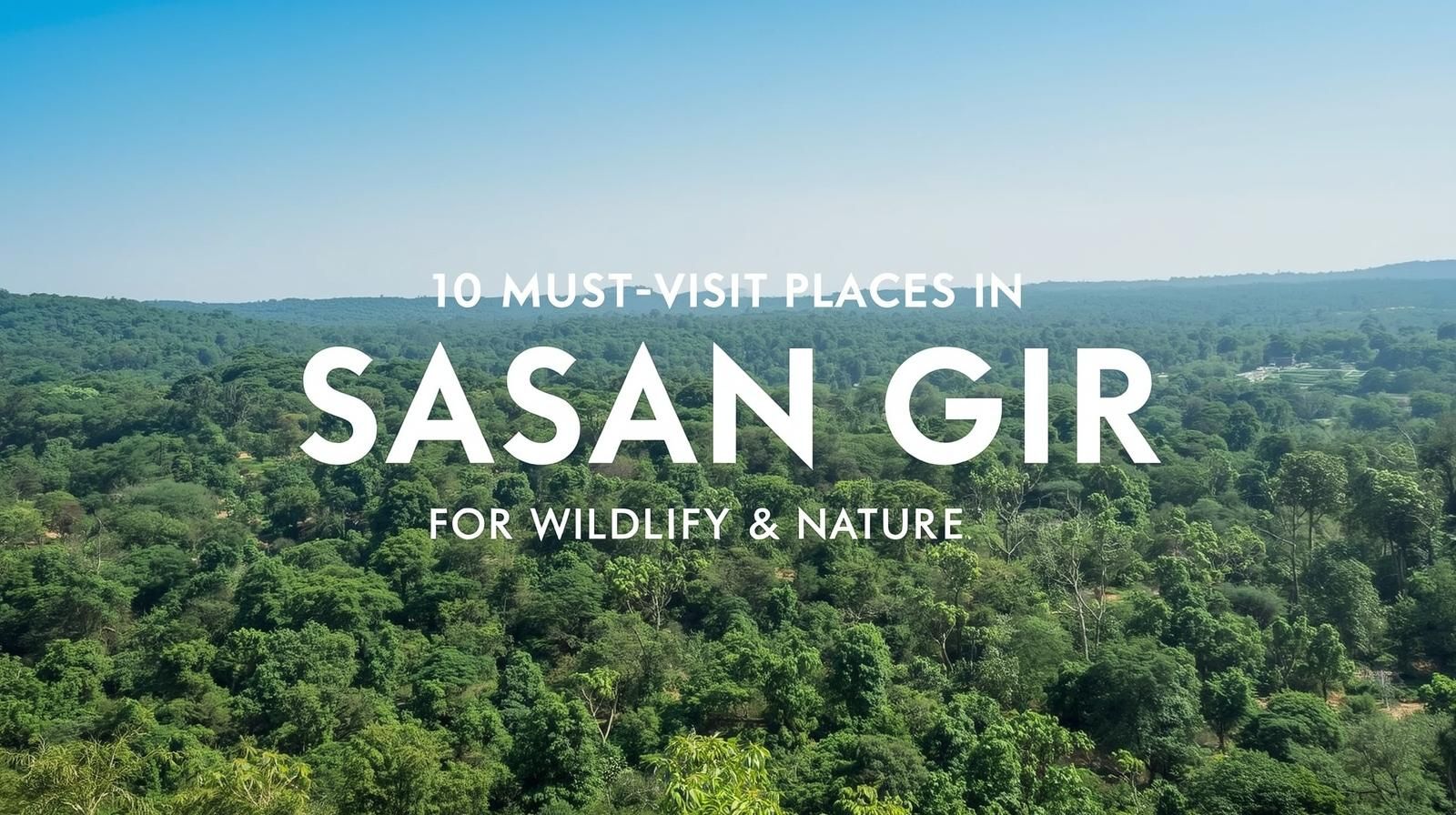
Most people arrive in Sasan Gir Resort with one goal: see the Asiatic lions. They book a safari, snap some photos, and leave within 24 hours thinking they’ve “done” Gir. What they miss is everything else that makes this corner of Gujarat genuinely special.
Sasan Gir isn’t just a national park with big cats. It’s a landscape where dense forests meet sacred temples, where tribal communities maintain centuries-old traditions, where crocodiles bask beside serene dams, and where nature still dominates daily life.
Whether you’re traveling with family, shooting wildlife photography, or simply need a break from urban chaos, the best places to visit in Sasan Gir Resort offer variety beyond what most travelers expect. Let’s get into what actually deserves your time here.
Why Sasan Gir is More Than Just a Wildlife Destination
The Gir forest ecosystem covers over 1,400 square kilometers of protected land. Within and around this wilderness, you’ll find Hindu temples tucked into jungle clearings, natural hot springs bubbling from the earth, seasonal waterfalls hidden in rocky terrain, and villages where the Maldhari community has coexisted with lions for generations.
This blend of wildlife, spirituality, culture, and raw nature creates experiences that go beyond typical safari tourism. You can start your day tracking lions in a jeep, spend your afternoon at an ancient temple surrounded by forest, and end your evening watching crocodiles at a reservoir all within a 20-kilometer radius.
The key is giving yourself enough time. Rushing through Sasan Gir in one day means you’ll catch the highlights but miss the character. Two to three days lets you appreciate the depth of what’s here.
10 Must-Visit Places in Sasan Gir
1. Gir National Park & Wildlife Sanctuary
Obviously, this tops any list of tourist attractions in Sasan Gir. Gir is the last natural habitat of the Asiatic lion nowhere else on Earth can you see these animals in the wild.
The Gir National Park safari experience happens in designated zones, with trained guides accompanying every vehicle. You’re not guaranteed lion sightings. This is genuine wilderness, not a zoo but the chances are reasonably high, especially during winter months when lions are more active.
Beyond lions, the forest hosts leopards (though they’re elusive), spotted deer, sambar, nilgai, wild boar, and over 300 bird species. Even if big cats don’t appear, the forest itself is a beautiful dense teak and acacia interrupted by grasslands and seasonal streams.
Best time: November to March offers pleasant weather and active wildlife. April to June brings heat but concentrated animal activity around water sources.
Practical tip: Book safaris in advance through the official forest department portal, especially for winter weekends when slots fill quickly.
2. Devaliya Safari Park (Gir Interpretation Zone)
Think of Devaliya as Gir’s introduction course. This fenced interpretation zone covers a smaller area with higher wildlife density, making sightings more predictable.
The route is fixed, covering about 4 kilometers in 1.5-2 hours. You’ll almost certainly see lions here, along with other animals like antelopes, deer, and various birds. The controlled environment makes it ideal for families with young children, elderly travelers, or anyone who wants a guaranteed wildlife encounter without the unpredictability of the main forest.
Some wildlife purists dismiss Devaliya as too easy, but that criticism misses the point. Not everyone needs extreme adventure. Sometimes you just want to see lions without gambling on luck, and there’s nothing wrong with that.
Difference from main safari: Devaliya is enclosed, smaller, shorter, and more predictable. The core Gir safari is open forest, longer, and wilder. Both have value depending on your travel style.
3. Kamleshwar Dam (Lifeline of Gir)
This reservoir on the Hiran River serves as Gir’s primary water source, which makes it a wildlife magnet especially during dry months.
The dam area offers excellent opportunities for spotting marsh crocodiles basking on the banks. These reptiles can grow impressively large, and watching them from the safe distance of the dam’s embankment provides a fascinating glimpse into their behavior.
Birdlife concentrates here year-round. Waterbirds like painted storks, pelicans, cormorants, and various migratory species feed in the shallows. If you’re into bird photography, bring a telephoto lens and plenty of patience.
Sunset at Kamleshwar Dam has become something of a ritual for visitors staying in nearby resorts. The light turns golden, birds settle for the evening, and the whole scene takes on a peaceful quality that contrasts nicely with the intensity of morning safaris.
Photography note: Early morning and late afternoon offer the best light. Midday sun creates harsh shadows that don’t do justice to the landscape.
4. Kankai Mata Temple
Hindu temples inside wildlife sanctuaries create an unusual juxtaposition of spiritual devotion meeting raw wilderness. Kankai Mata Temple sits deep within Gir forest, accessible only by forest department vehicles. Services at Wildlife Gir Resort
The temple itself is modest, but the setting is extraordinary. Dense forest surrounds the clearing on all sides. Peacocks call from nearby trees. Occasionally, lions pass through the area, though they generally avoid the temple compound when devotees are present.
Visiting requires permission and typically happens as part of organized tours during festival periods. The primary festival draws significant crowds, but regular days see smaller numbers of pilgrims making the journey.
Cultural context: Local communities have worshipped here for generations, maintaining faith practices even as the surrounding area became protected forest. It’s a reminder that humans and wildlife have shared this landscape long before modern conservation efforts.
5. Crocodile Breeding Centre, Sasan Gir
This compact facility near the main tourist area focuses on marsh crocodile conservation. Gujarat’s crocodile population declined dramatically in the mid-20th century, and breeding programs like this one helped stabilize numbers.
The center maintains different enclosures for various age groups from tiny hatchlings to massive adults. Information boards explain crocodile biology, behavior, and conservation challenges in clear language that kids can understand.
It’s not a long visit, maybe 30-45 minutes but it’s educational and genuinely interesting. Seeing the size difference between a newly hatched crocodile and a 15-foot adult really drives home how slowly these creatures grow and why conservation timelines span decades.
Family appeal: Children find the crocodiles fascinating without the danger element of seeing them in the wild. It adds context before you spot them at Kamleshwar Dam or other water bodies.
6. Gir Jungle Trail
Not everyone wants to sit in a jeep for three hours. Some people prefer exploring on foot, moving slowly enough to notice smaller details: the sound of the forest, the variety of plant life, the subtle signs of animal activity.
Gir Jungle Trail offers guided nature walks along designated paths. These aren’t safaris where you won’t see lions on foot (that would be genuinely dangerous). Instead, guides focus on birds, insects, trees, medicinal plants, and the broader ecosystem that supports the famous megafauna.
The walks incorporate elements of tribal knowledge. Maldhari guides often lead these trails, sharing how their communities have traditionally used forest resources, identified animal tracks, and coexisted with predators.
Eco-tourism angle: These walks support local employment and promote forest appreciation beyond just big animal sightings. They’re particularly good for nature photographers interested in macro work or botanists.
7. Tulsi Shyam Temple & Hot Springs
About 45 kilometers from Sasan Gir village, Tulsi Shyam combines religious significance with a natural phenomenon of hot springs that bubble up year-round.
The temple dedicated to Lord Krishna attracts pilgrims regularly. But what makes it special for tourists is the hot spring water flowing through channels in the temple complex. People bathe in these naturally heated waters, believing in their therapeutic properties.
The surrounding area is heavily forested, creating that familiar Gir blend of spirituality and wilderness. It makes for a peaceful half-day trip, especially if you’ve done intensive safaris and want something slower-paced.
Practical detail: The water is genuinely hot, not lukewarm but actually warm enough to be soothing. If you’re interested in bathing, bring appropriate clothing and respect local customs around the religious site.
8. Jamjir Waterfall (Seasonal Attraction)
Most things to do in Sasan Gir are year-round activities. Jamjir Waterfall is the exception; it only exists during and immediately after monsoon season.
From July to September, rainwater cascades down rocky outcrops creating temporary waterfalls in the forest. Jamjir is one of the more accessible ones, requiring a short trek from the nearest road.
The waterfall isn’t massive, don’t expect Niagara-level drama. But the setting is lovely, the sound of falling water in dense forest is soothing, and it’s a refreshing break during the humid monsoon months.
Safety consideration: Monsoon trekking requires caution. Rocks get slippery, water flow can be unpredictable, and the forest is denser. Only visit with experienced local guides who know the terrain.
9. Tribal Villages Around Sasan Gir
The Maldhari people have lived in and around Gir for centuries, traditionally keeping livestock and coexisting with lions sometimes uncomfortably when predators attack cattle.
Several villages near Sasan Gir welcome visitors interested in understanding traditional lifestyles. You can observe how communities have adapted to living alongside dangerous wildlife, see traditional housing and farming methods, and purchase locally made handicrafts.
Ethical tourism reminder: Treat village visits with respect, not as a zoo experience. These are people’s homes and active communities. Some villages have structured tourism programs with local guides; stick to those rather than wandering into settlements unannounced.
The cultural exchange works both ways visitors gain perspective on rural Gujarati life, while communities benefit economically from tourism without abandoning their traditions.
10. Sasan Gir Market & Local Handicrafts
Every destination needs practical time for shopping, eating, and handling logistics. Sasan Gir’s main market area serves this purpose while offering some authentic local flavor.
The market sells typical tourist items small lion figurines, keychains, t-shirts but also genuine local products. Handicrafts made by tribal communities include basketwork, simple jewelry, and woven items. Quality varies, so examine things carefully before buying.
Food stalls serve local Gujarati snacks and meals. Try khaman, fafda, or thepla if you’re unfamiliar with these regional specialties. Small restaurants around the market area offer fuller meals, usually vegetarian in keeping with Gujarat’s predominantly vegetarian culture.
Shopping advice: Bargaining is expected for handicrafts and souvenirs, though don’t be aggressive about it. For food and set-price items, prices are generally fair and affordable.
Best Time to Visit Sasan Gir for Sightseeing
Winter (November to February): Peak season for good reason. The weather is pleasant, wildlife is active, and all attractions are fully accessible. Book accommodations and safaris well in advance. This is when popular places in Sasan Gir see maximum crowds.
Summer (March to June): Hot and getting hotter as summer progresses. April-May temperatures regularly exceed 40°C. However, wildlife sightings often improve because animals concentrate around limited water sources. Fewer tourists mean easier booking and better rates at resorts in Sasan.
Monsoon (July to September): The national park closes for safari activity. Some attractions like Kankai Mata Temple and Jamjir Waterfall become more interesting, but overall, this isn’t ideal timing unless you specifically want the lush green post-rain landscape.
Early autumn (October): A sweet spot park reopens, weather starts cooling, tourists haven’t arrived in full force yet. Good availability at resorts near Gir National Park without peak season pricing.
Travel Tips for Visiting Sasan Gir
Safari booking: Use the official Gujarat Forest Department portal for Gir National Park safari bookings. Avoid random agents promising special access they can’t deliver, and you’ll waste money on invalid permits.
Clothing: Neutral colors (khaki, olive, brown) work best for safaris. Avoid bright colors that might disturb wildlife. Comfortable walking shoes are essential. Mornings can be cool even in Gir Gujarat, so bring a light jacket for winter safaris.
Safety rules: Follow your safari guide’s instructions without argument. Stay seated in the vehicle. Keep noise levels down. Never provoke or try to feed wildlife. These rules exist for good reason lions are apex predators, not photo props.
Family travel: Sasan Gir is genuinely family-friendly. Even young children enjoy safaris if you prepare them for sitting quietly. Devaliya Safari Park is especially suitable for kids. Many resorts in Gir Gujarat cater specifically to families with appropriate facilities.
Where to Stay in Sasan Gir for a Complete Experience
Accommodation choices significantly impact your overall experience. Staying close to safari departure points saves early morning stress. Properties that emphasize natural surroundings enhance the wildlife tourism feel.
Quality resorts in Sasan combine practical comfort with authentic jungle atmosphere. You want clean rooms and reliable amenities, but also that sense of being immersed in nature rather than in a generic hotel.
Wildlife Gir Resort positions itself well for accessing must-visit spots in Sasan Gir close enough to the national park for convenient safaris, surrounded by natural environments, and suitable for families seeking both adventure and comfort.
Many Gir resort booking options exist, but prioritize places that balance nature access with safety and service quality. The right resort in Gir becomes your base camp for daily adventures rather than just somewhere to sleep.
Final Thoughts – Make the Most of Your Sasan Gir Trip
Sasan Gir rewards travelers who move beyond checklist tourism. Yes, see the lions, they’re magnificent and the main draw. But also watch the sunset at Kamleshwar Dam. Visit the crocodile breeding center with your kids. Take that jungle trail walk. Stop at Kankai Mata Temple if it’s accessible during your visit.
The best places to visit in Sasan Gir aren’t ranked by importance. Different travelers prioritize different experiences. Wildlife photographers might spend hours at water holes. Spiritual seekers connect with the forest temples. Families enjoy Devaliya’s guaranteed sightings. Cultural enthusiasts appreciate tribal village interactions.
Give yourself adequate time. Plan thoughtfully. Travel responsibly by following forest rules and respecting local communities. The diversity of experiences here goes far beyond what most Gujarat tourism guides suggest.
Sasan Gir isn’t just a destination, it’s an ecosystem where wildlife, culture, spirituality, and nature intersect in ways that are increasingly rare in modern India. Take advantage of that complexity rather than reducing it to a quick safari stop.
Recent posts
March 18, 2026
How to Choose the Right Resort in Sasan Gir for the Best Safari Experience
How to Choose the Right Resort in Sasan Gir for the Best Safari Experience Planning a wildlife adventure to Gir...
March 18, 2026
What Luxury Resorts in Sasan Gir Offer Complimentary Safari Drives
What Luxury Resorts in Sasan Gir Offer Complimentary Safari Drives Sasan Gir stands as India’s pride in wildlife conservation, drawing...
March 18, 2026
Luxury Resorts in Gir: Where Wildlife Meets Gujarat’s Tribal Heritage
Luxury Resorts in Gir: Where Wildlife Meets Gujarat’s Tribal Heritage Sasan Gir stands apart from conventional wildlife destinations by offering...